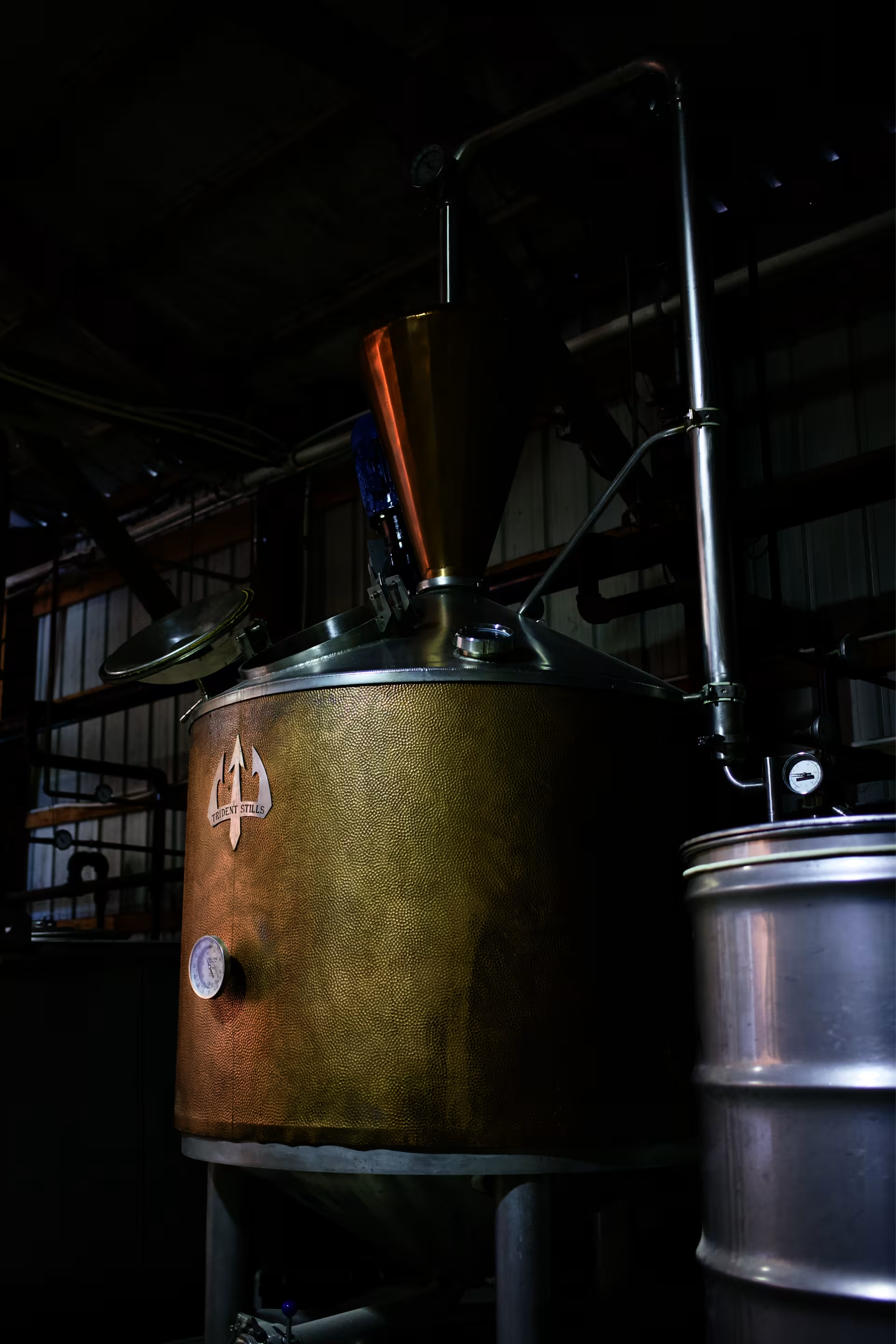

No two barrels of bourbon are the same. Not even close.
You can start with the same mash bill, the same still, the same cooperage, the same rickhouse. Fill two barrels on the same day, from the same batch of spirit, and set them side by side on the same rack. Come back in six years and they will taste different.
This is not a flaw in the process. This is the process.
The variables no one controls
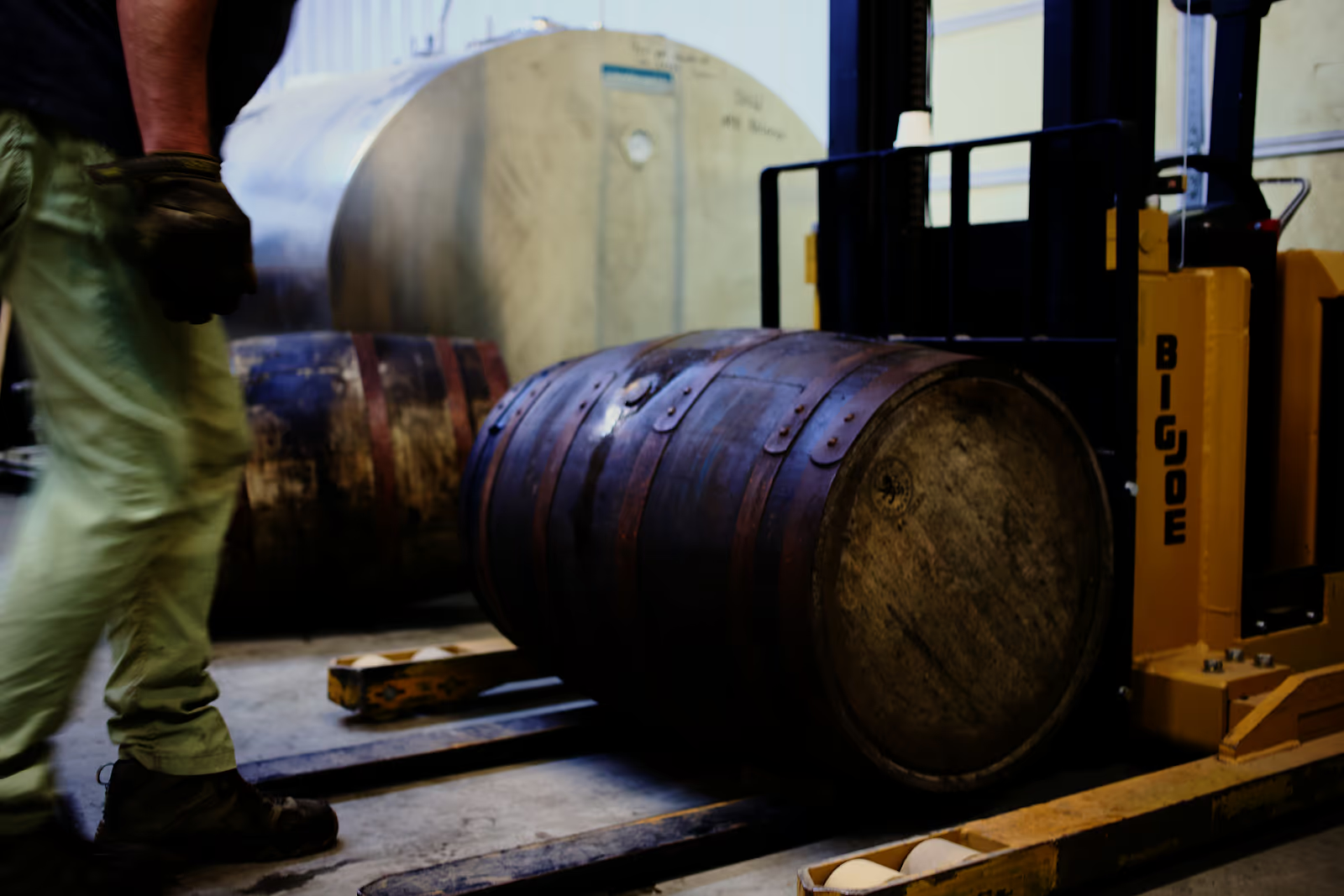
A barrel of bourbon is not sitting in storage. It is in a slow, constant negotiation with its environment. Every factor that touches the barrel during aging leaves a mark on the whiskey inside.
The wood itself. Every oak tree grows differently. The width of the grain, the density of the wood, the ratio of cellulose to lignin. Two staves cut from two different trees will extract at different rates and contribute different flavors. One barrel might push vanilla and toffee. The one next to it might lean toward dried fruit and baking spice. Same char level, same cooperage, different tree.
Rickhouse position. A barrel aging on the top floor of a rickhouse experiences dramatically different conditions than one on the ground floor. Heat rises. The top floors can reach over 120 degrees in a Kentucky summer, expanding the wood and driving whiskey deep into the staves. The ground floor stays cooler, producing a slower, gentler extraction. A “hot” barrel ages fast and bold. A “cool” barrel ages slow and nuanced.
Seasonal swings. Kentucky is not a mild climate. Summers are brutal. Winters freeze. This is exactly why bourbon is aged here. The expansion and contraction cycle, driven by temperature, is the engine of flavor extraction. But the severity of each season varies year to year. A barrel that ages through a particularly hot summer in its third year will taste different from one that experienced a mild one.
Humidity. In a dry environment, water evaporates faster than alcohol. The proof inside the barrel rises over time. In a humid environment, alcohol evaporates faster. The proof drops. This shift in the water-to-alcohol ratio changes which compounds the liquid extracts from the wood, subtly redirecting the flavor profile over years.
What blending actually does
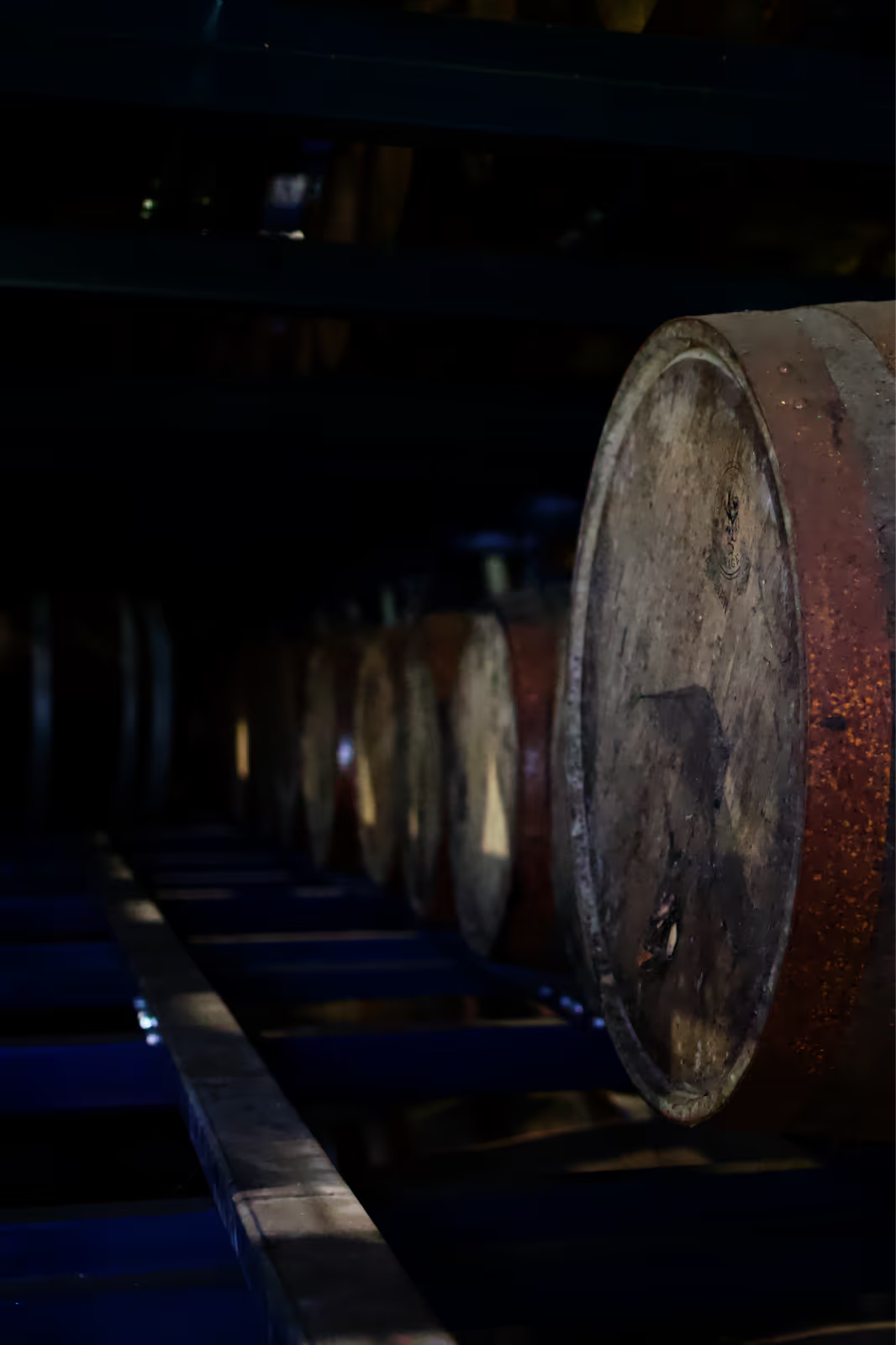
Most bourbon on the shelf is blended. This is not a criticism. Blending is a genuine skill.
A master blender selects dozens or hundreds of individual barrels, each with its own character, and combines them to hit a consistent flavor target. The goal is a product that tastes the same every time you buy it. Same bottle in January, same bottle in July. Same bottle in New York, same bottle in Kentucky.
The blender’s tools are their palate, their experience, and the range of barrels available to them. They balance a barrel that runs hot with one that runs cool. They offset a barrel heavy in tannin with one rich in sweetness. The result is controlled, repeatable, and reliable.
This is why blended bourbon dominates cocktail menus. Bartenders need consistency. A Manhattan made with a blended bourbon will taste the same night after night. That predictability has real value.
But something is lost in the process. When you blend fifty barrels together, you get an average. The extremes, the individual character of any single barrel, gets smoothed out. The weird, beautiful, unrepeatable thing that one barrel did on the third floor during the summer of 2021 disappears into the blend.
Why we focus on single barrels
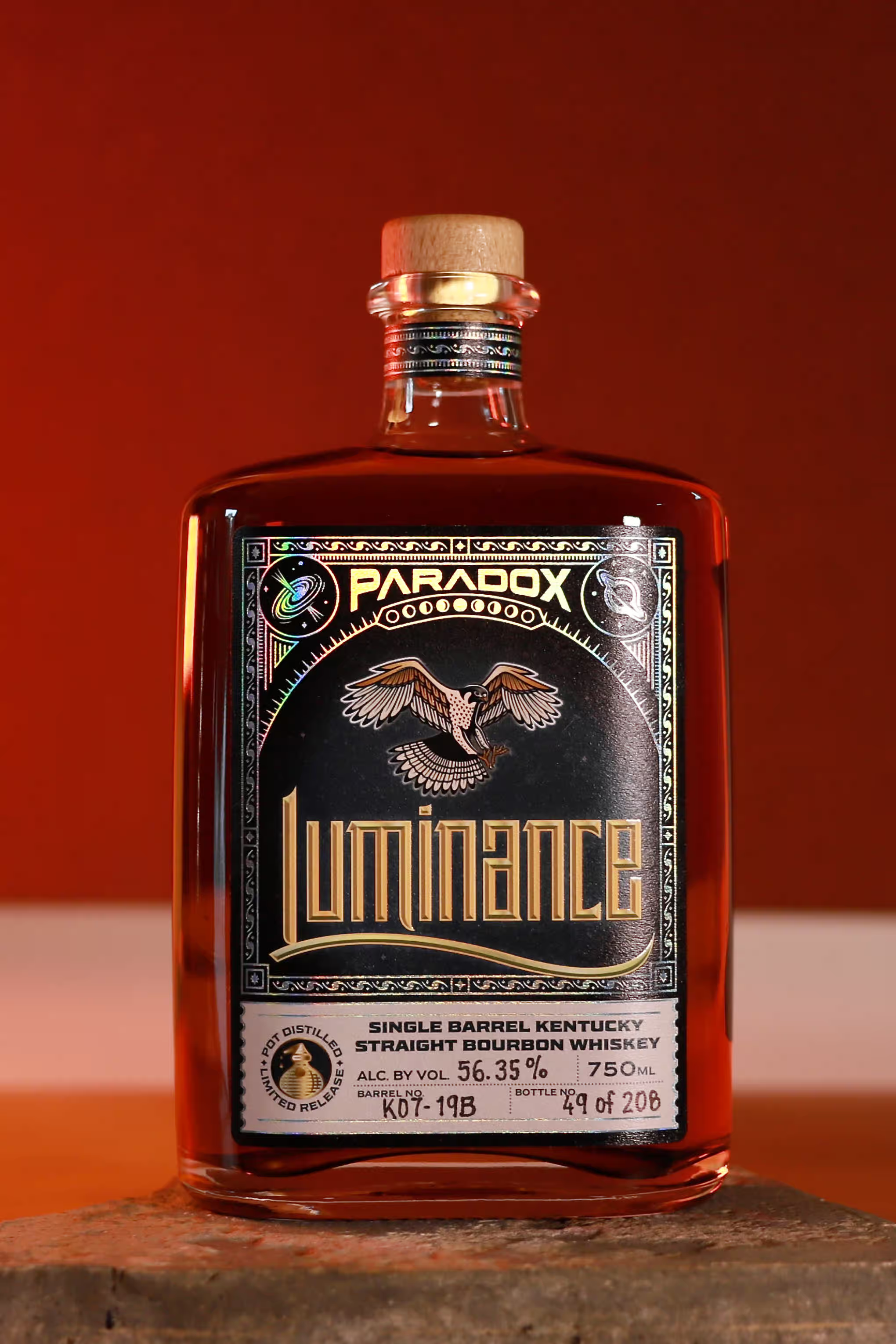
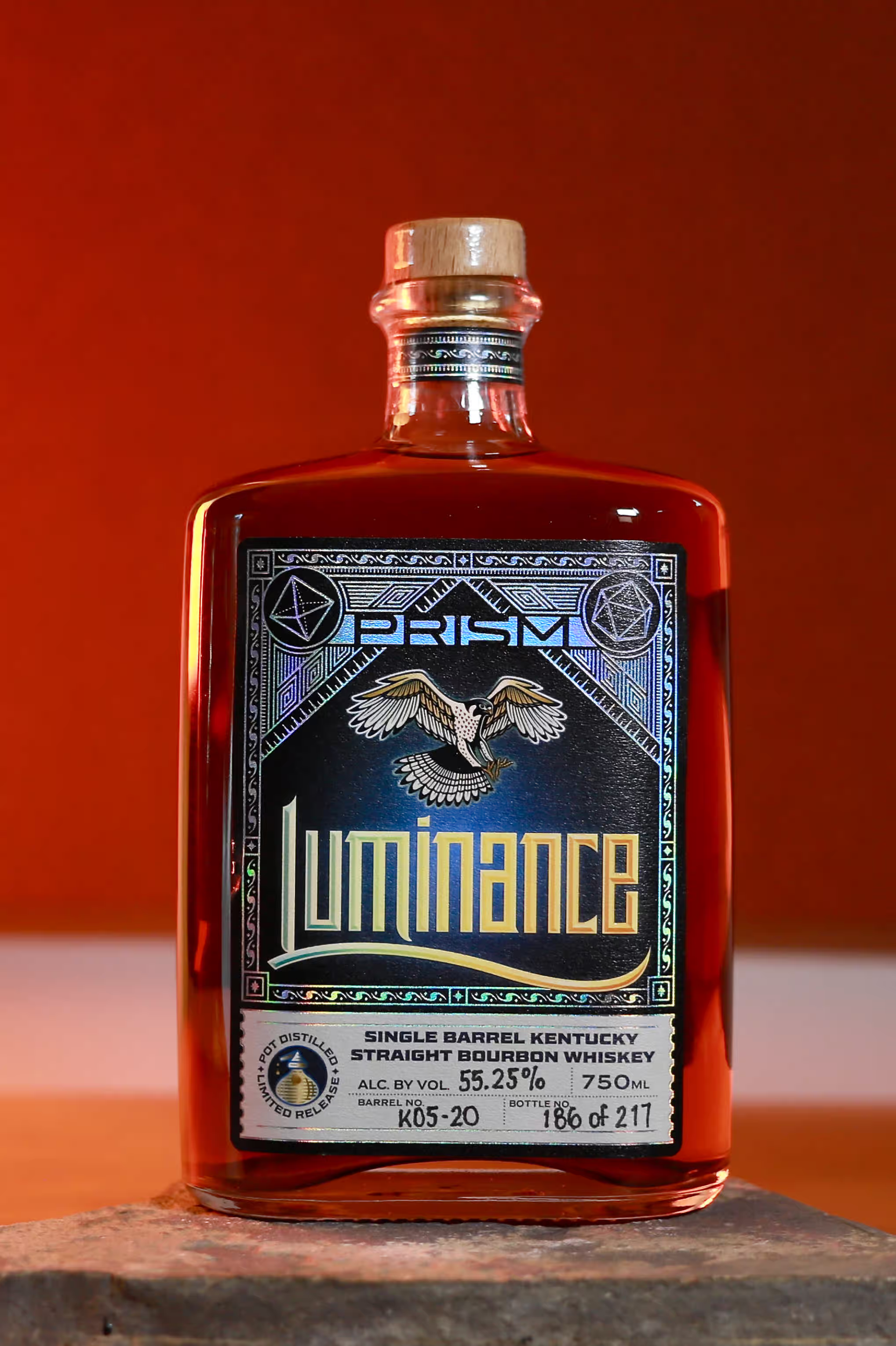
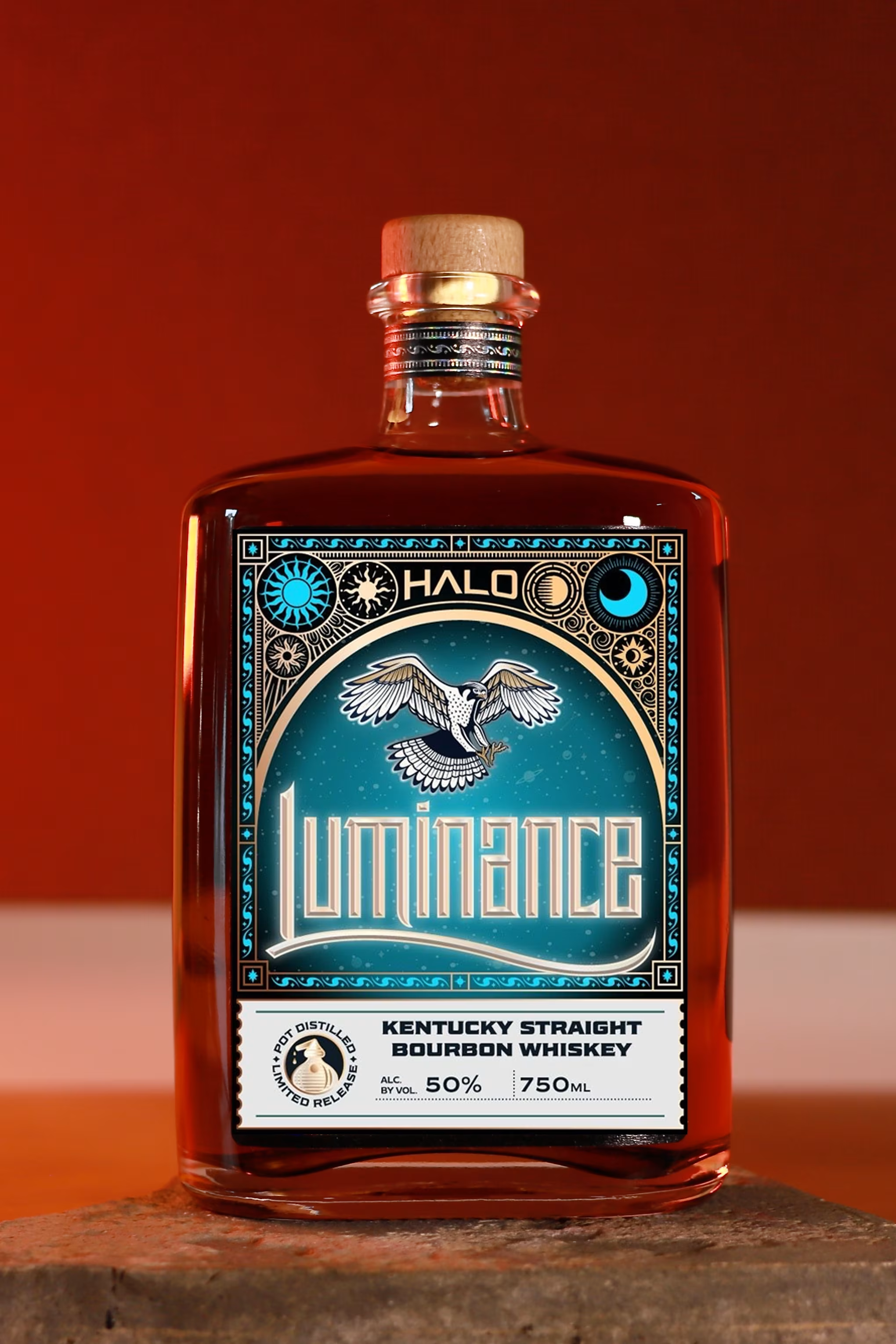
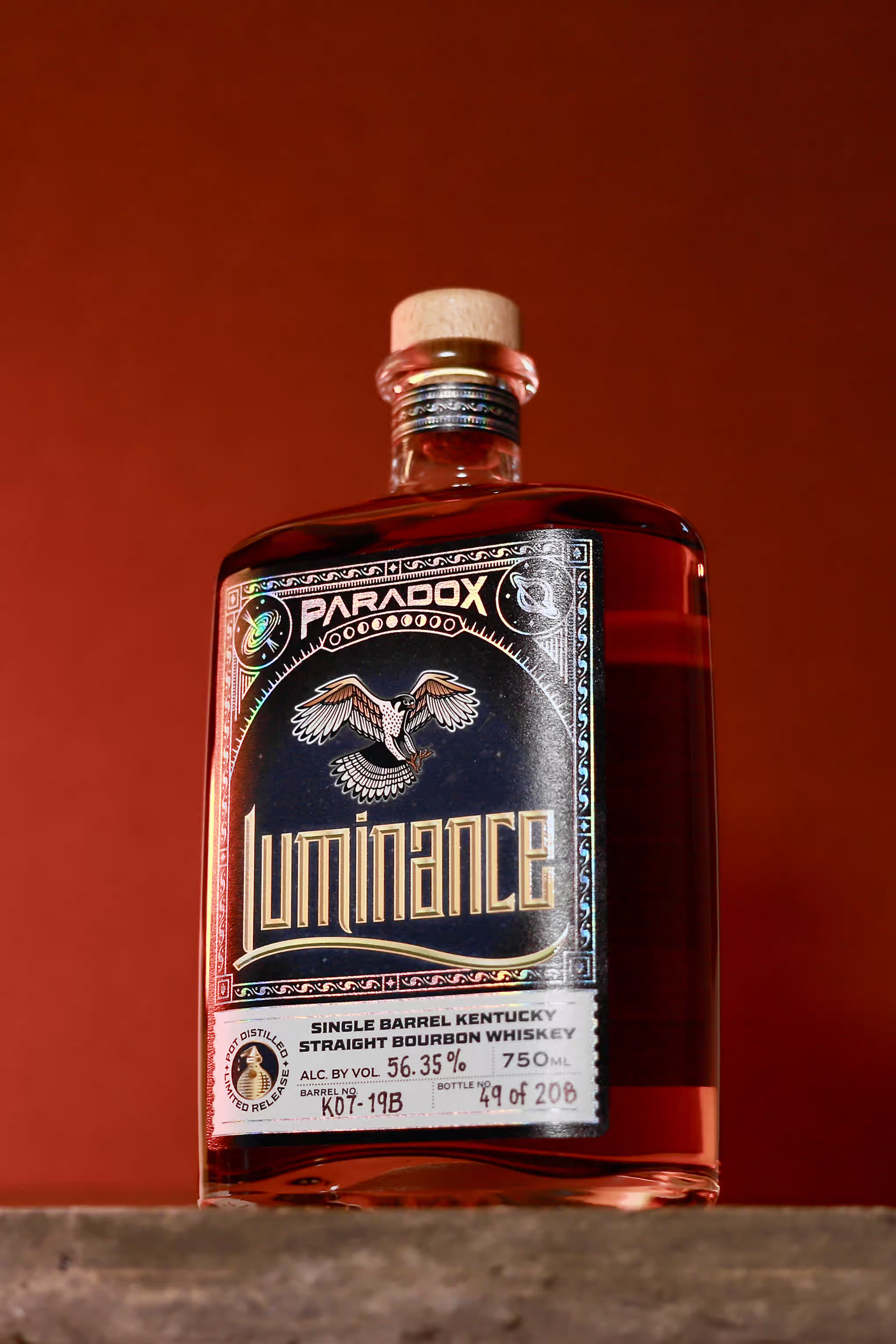
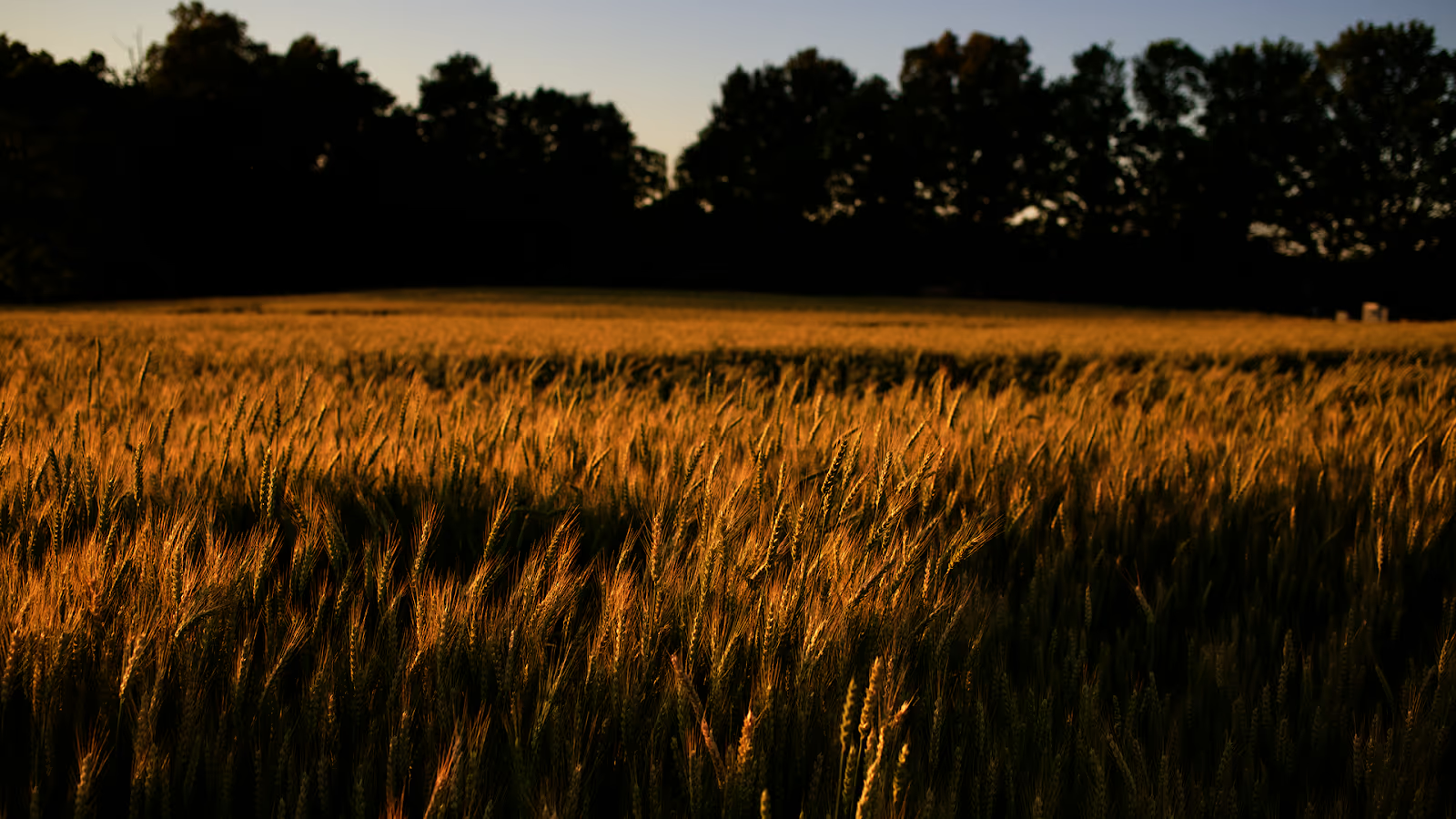
At Luminance, our foundational products come from single barrels. One barrel, one expression, one chance to taste it.
We believe the individual barrel is the most honest expression of bourbon. It carries the fingerprint of every variable that touched it: the specific tree that became its staves, the floor of the rickhouse where it sat, the particular summers and winters it endured, the distiller’s cut on the day the spirit was made.
This means that when you buy a bottle of Luminance Paradox or Prism from a specifically marked patch, it will not taste identical to the releases in the future of these products. It can’t. They came from different barrels, and those barrels lived different lives.
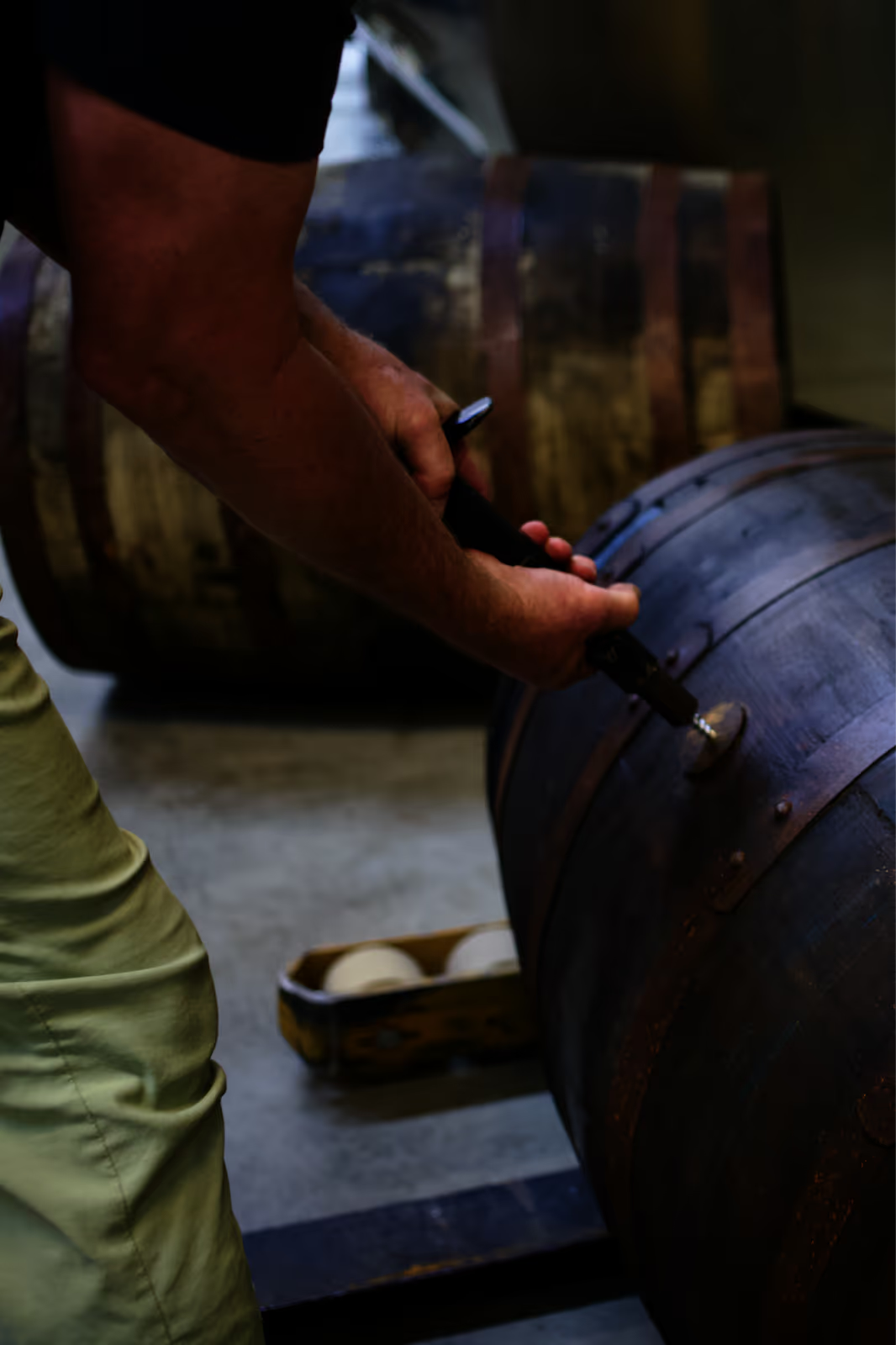
Live music vs. the studio recording
Our founder puts it simply: drinking a single barrel bourbon is like listening to live music.
You love the band but you walk in not knowing exactly what you’ll hear. The performance is shaped by the room, the crowd, the mood of the musicians that night. It will never happen again in exactly the same way. That is what makes it worth showing up for.
Drinking a blended bourbon is like listening to an album recorded in a studio, a controlled environment. The producer(s) made decisions about balance, tone, and feel to meet the standards and expectations of a commercial product. The recording produces the same sound each time you play it. If you love the aesthetic choices made for that recording, you can relive that experience over and over again.
Single barrel bourbon asks you to be present. To pay attention to and appreciate what this particular bottle, from this particular barrel, is doing right now. The next one will be different. That is not a problem to solve. It is the reason to pour the glass.
When you open a bottle of Luminance, you are tasting a moment in time that will not repeat. If that sounds like something worth experiencing, find your barrel.