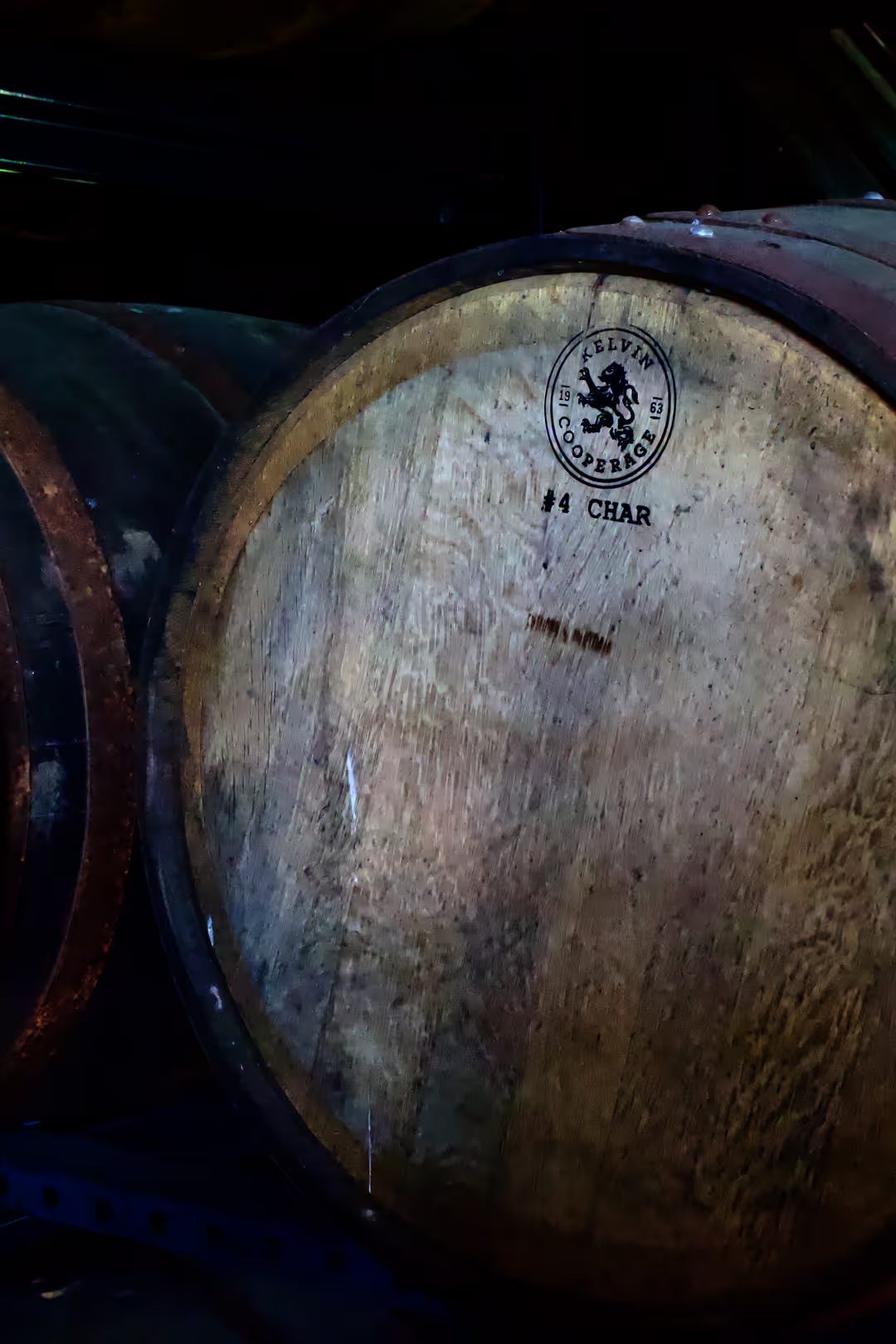

In the world of whiskey, fire is just as important as grain.
While the mash bill provides the skeleton of a bourbon, the barrel provides its soul. It is the vessel where clear spirit transforms into amber liquid, gaining 100% of its color and a vast majority of its flavor.
At Luminance, we view the barrel as an active ingredient, not a storage container. This is why we reject the industry standard “Level 3” char in favor of the more aggressive, riskier, and rewarding Level 4 “Alligator Char.”
But the char is only half the story. The real secret lies in what happens under the char.
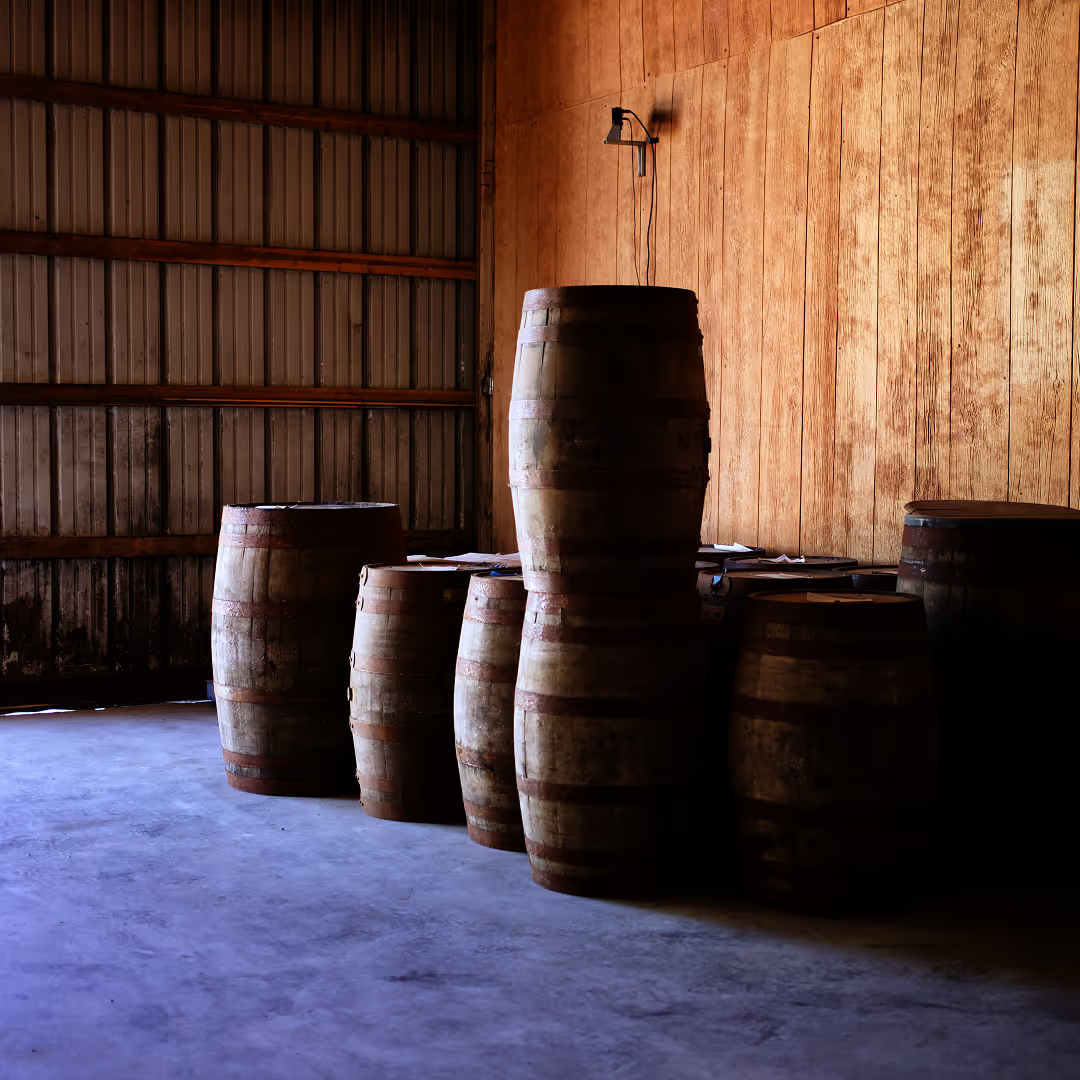
The Beast in the Fire: Understanding Level 4 Char
When a cooperage builds a barrel, they burn the interior. Most mass-market bourbons use a Level 3 char (40 seconds). It is safe, consistent, and quick.
Level 4 char is different. The barrel is exposed to intense flame for roughly 55 seconds to a minute. This deep burn causes the wood interior to blister, contract, and rupture, creating a rough texture of rectangular scales that looks exactly like the hide of an alligator.
This process is risky. The deep burn thins the wood staves, increasing the chance of “springers” or “leakers”—barrels that crack and lose whiskey during aging. We accept this risk because the reward is undeniable:
- Massive Filtration: The thick layer of activated carbon acts as a potent filter, scrubbing out sulfur and harsh fusel oils. This is critical for our unique mash bill, polishing the spirit to extreme clarity.
- Surface Area: The deep fissures allow the whiskey to penetrate further into the wood during the hot Kentucky summers, accessing flavors that a smooth barrel surface would block.
The Kelvin Difference: Wood Fire vs. Gas
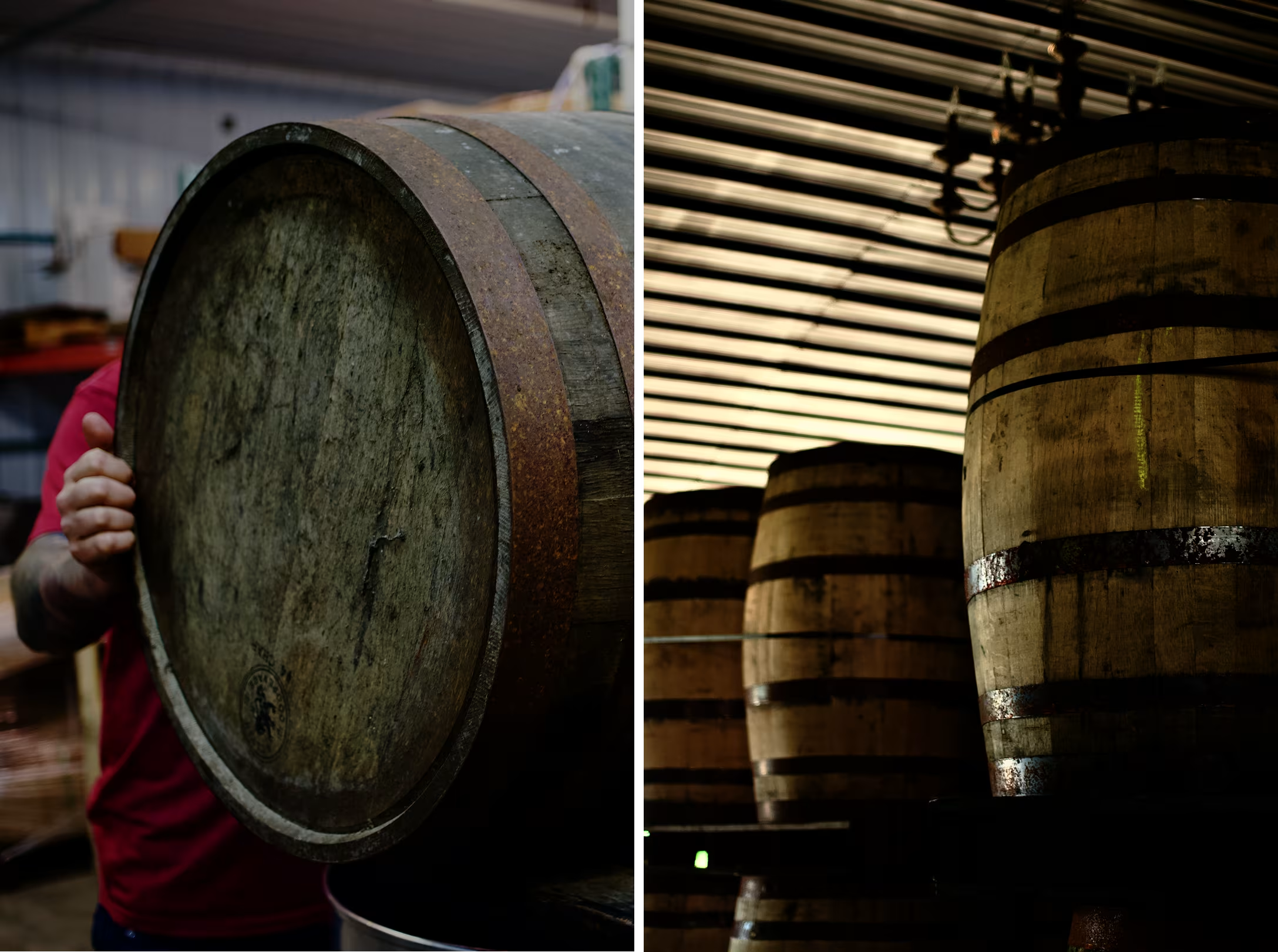
A spirit that honors Kentucky heritage should be built with Kentucky hands. That is why our barrels are crafted by Kelvin Cooperage, a family-owned institution in Louisville.
Most commercial cooperages char their barrels using natural gas. It is efficient, but it adds nothing to the flavor.
Kelvin Cooperage does it the hard way: They use wood fires. By burning oak off-cuts to heat the barrels, they utilize radiant heat rather than convection. This “soaking” heat penetrates deep into the wood structure, and the smoke from the fire deposits actual toasted oak essence into the staves before they are even charred.
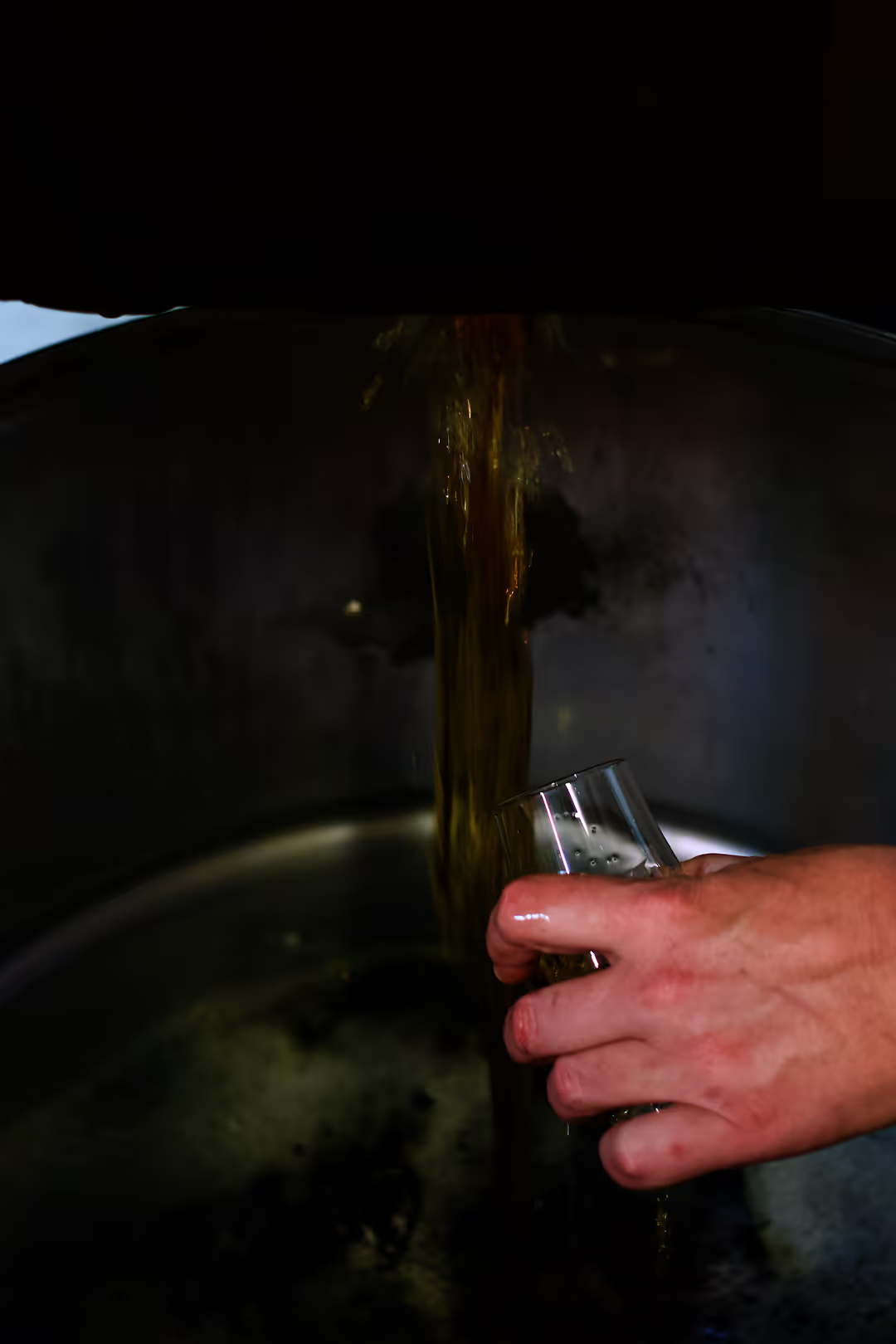
The “Red Layer”: Where the Sugar Lives
This brings us to the most critical flavor component of Luminance Whiskey: The Red Layer.
Because Kelvin uses a slow wood fire, they toast the barrel for 15-20 minutes before applying the Level 4 char. This creates a deep thermal gradient. Just beneath the black charcoal surface lies a band of wood that has been heated enough to break down hemicellulose into wood sugars, but not hot enough to burn.
This is the Red Layer—a reservoir of caramelized sugar, toffee, and toasted almond notes waiting to be extracted.
The Solvent Secret: Low Barrel Entry Proof
Having a barrel full of sugar is useless if you can’t get it out. This is where our Low Barrel Entry Proof comes in.
“Entry Proof” is the alcohol strength of the spirit when it enters the barrel.
- The Industry Standard (125 Proof): High alcohol is a solvent for tannins (dryness) and lignins (spice).
- The Luminance Way (~105 Proof): We add reverse osmosis water before barreling. Water is the solvent for sugar.
By entering the barrel at a lower proof with more water content, our spirit is chemically engineered to dissolve the caramelized wood sugars from the Red Layer. High-proof alcohol would bypass these sugars and pull out bitter tannins instead.
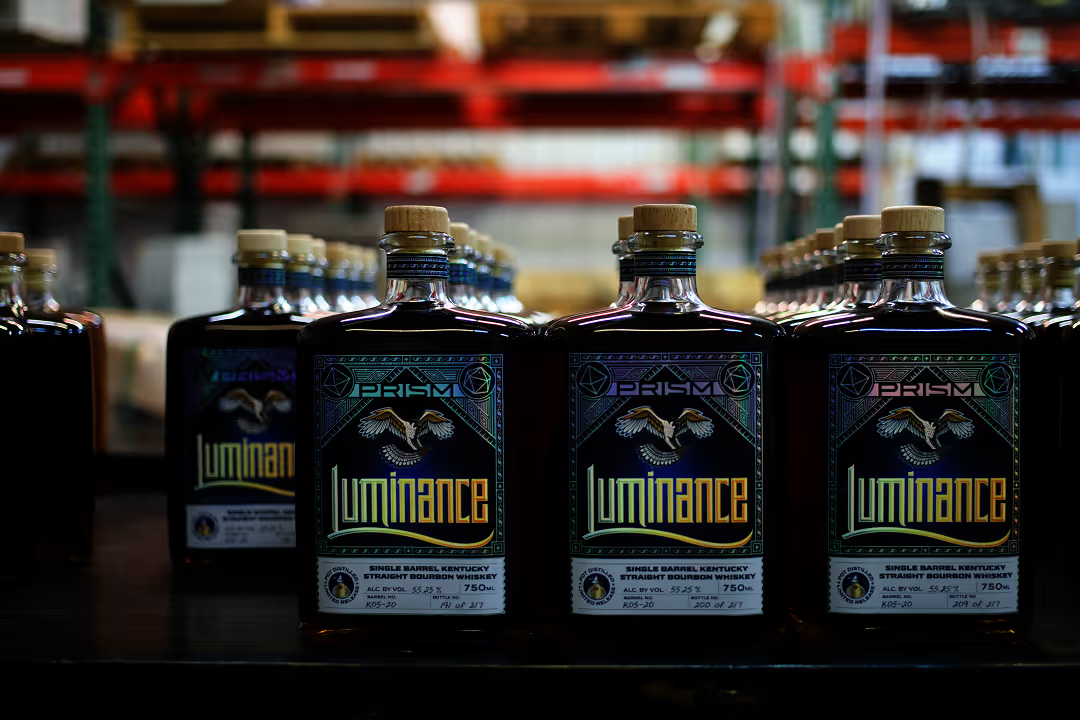
The Result: Paradox and Prism
This “Production Triumvirate”—Level 4 Char + Wood Fire Toast + Low Entry Proof—creates the distinct profiles of our whiskey.
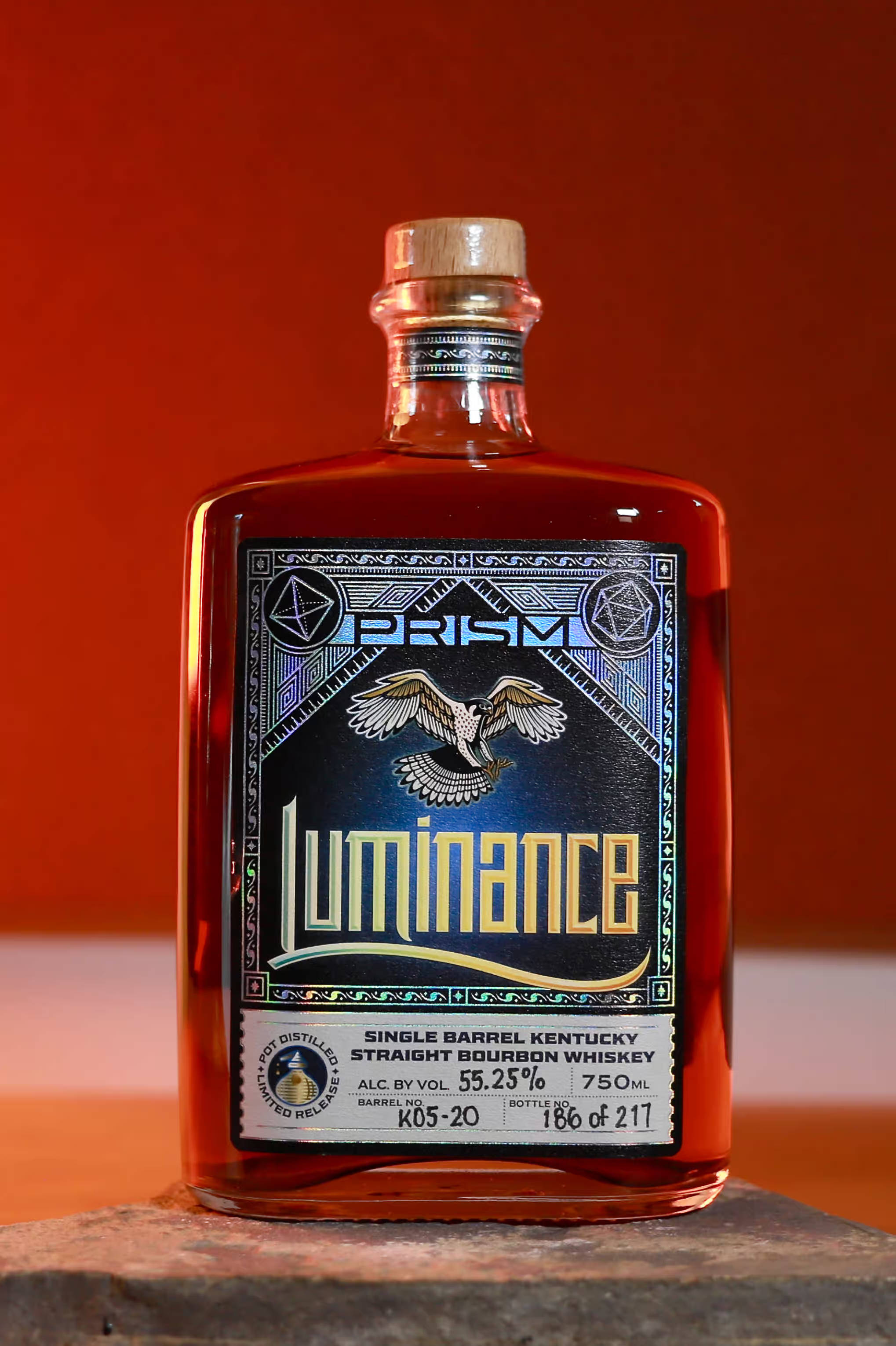
- Luminance Prism expresses the energy of the Char: It is clean, spicy, and polished by the heavy carbon filtration.
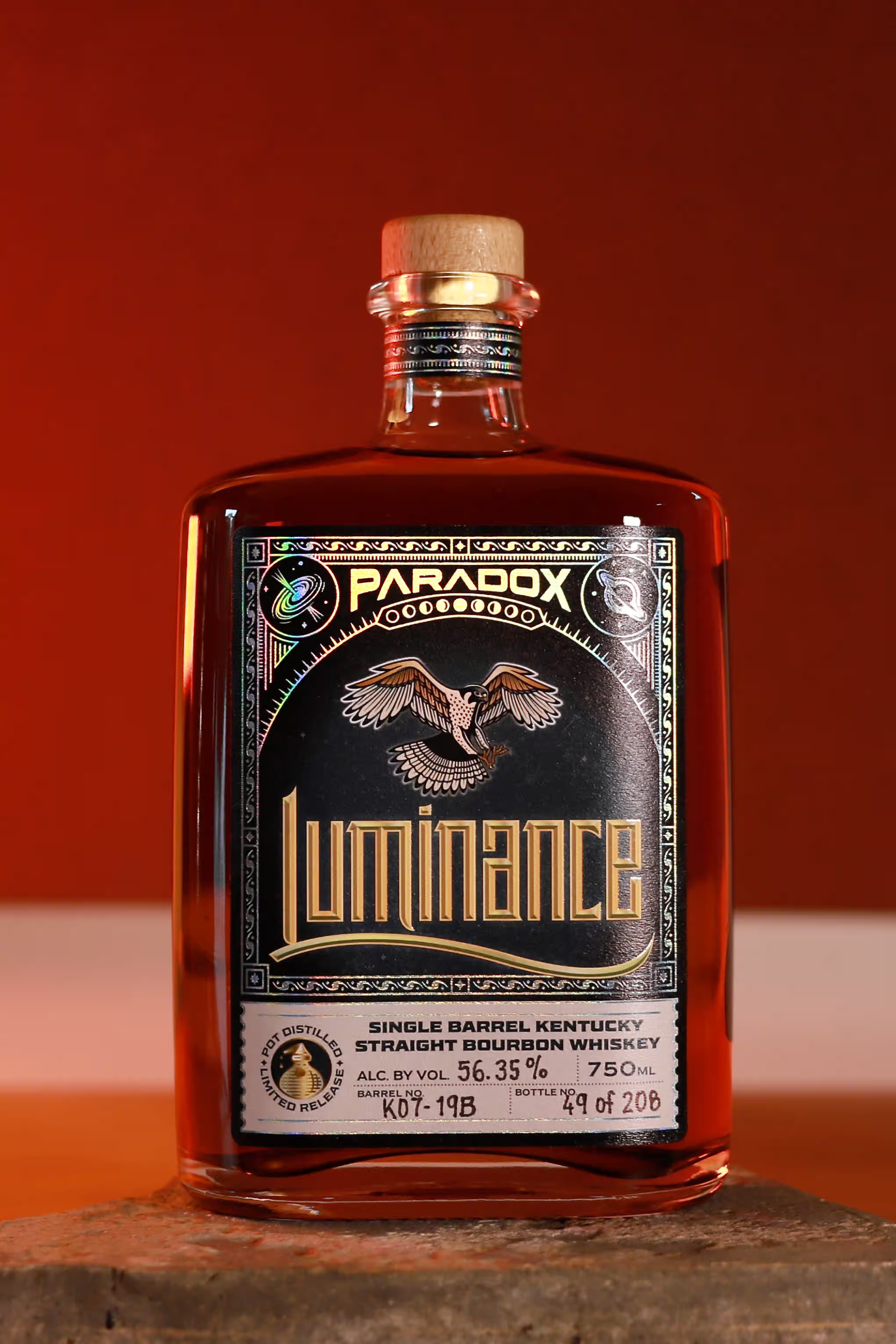
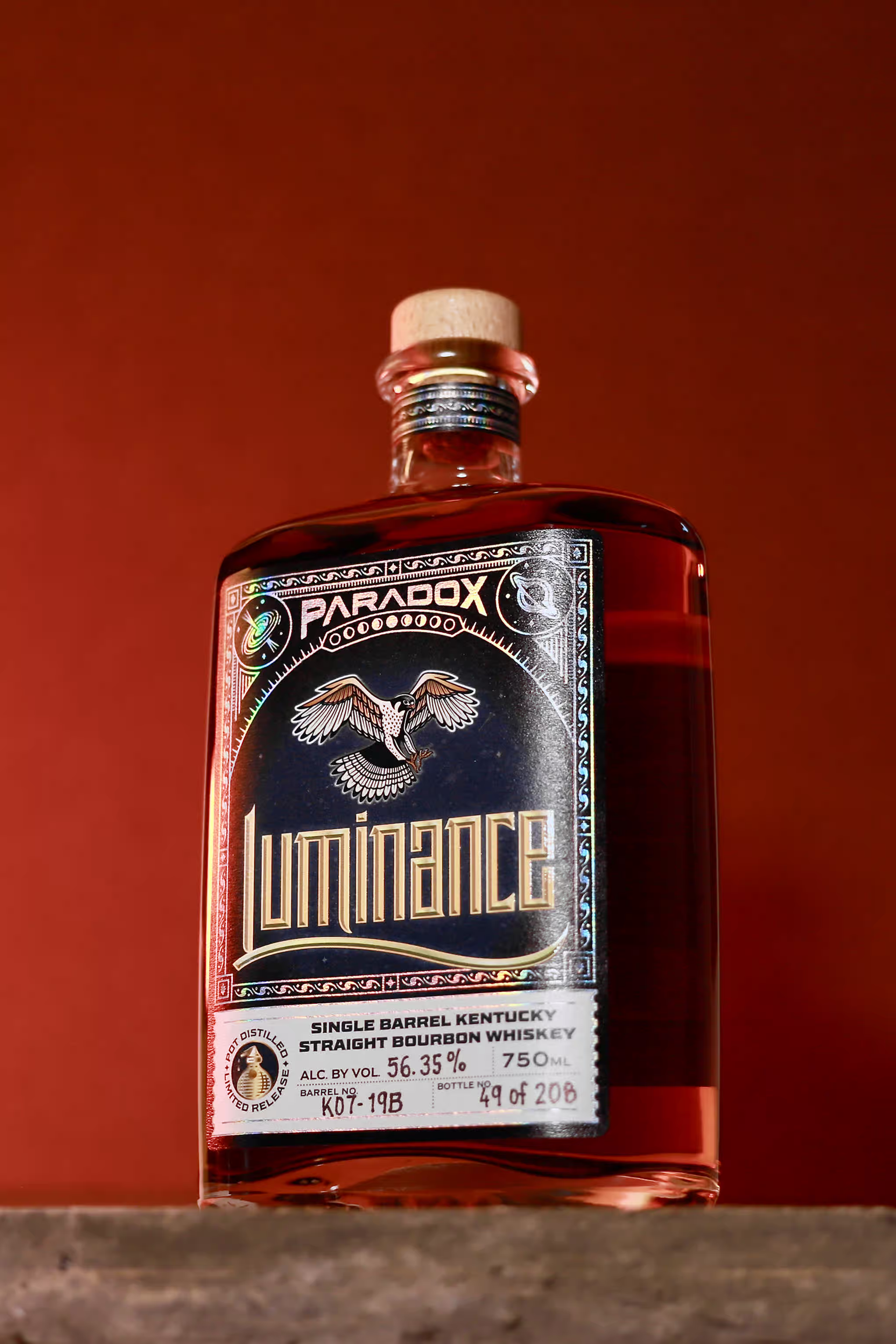
- Luminance Paradox expresses the depth of the Red Layer: The low entry proof pulls deep notes of dark roast coffee, baker’s chocolate, and rich caramel that lighter whiskeys simply cannot access.
It is harder to make bourbon this way. It costs more in barrels, storage space, and lost “Angel’s Share.” But when you pour a glass, you aren’t just tasting corn, rye and barley. You are tasting the science of fire.